
*5630
*5630
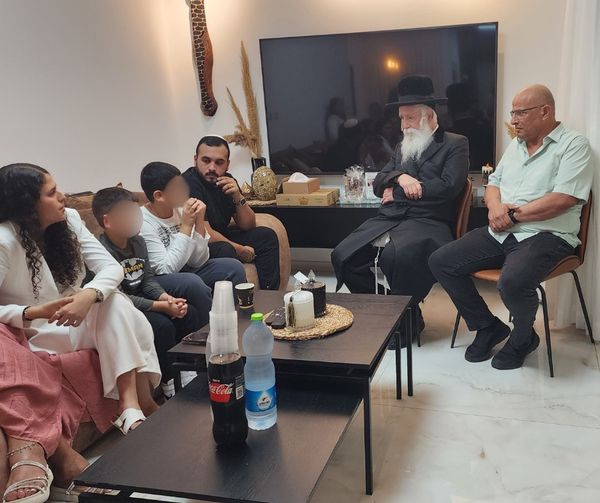
ביקור הרב בבית משפחת עבדוש

Family Day 2024 in the shadow of the war: Many families remain broken and shattered

Today, we celebrate Family Day, but for many homes in Israel, this is a painful and sad day.

Entire families were murdered, children were left orphans and many families are still waiting for their loved ones to return from Hamas captivity.  For them, this day only accentuates their loss and longing.

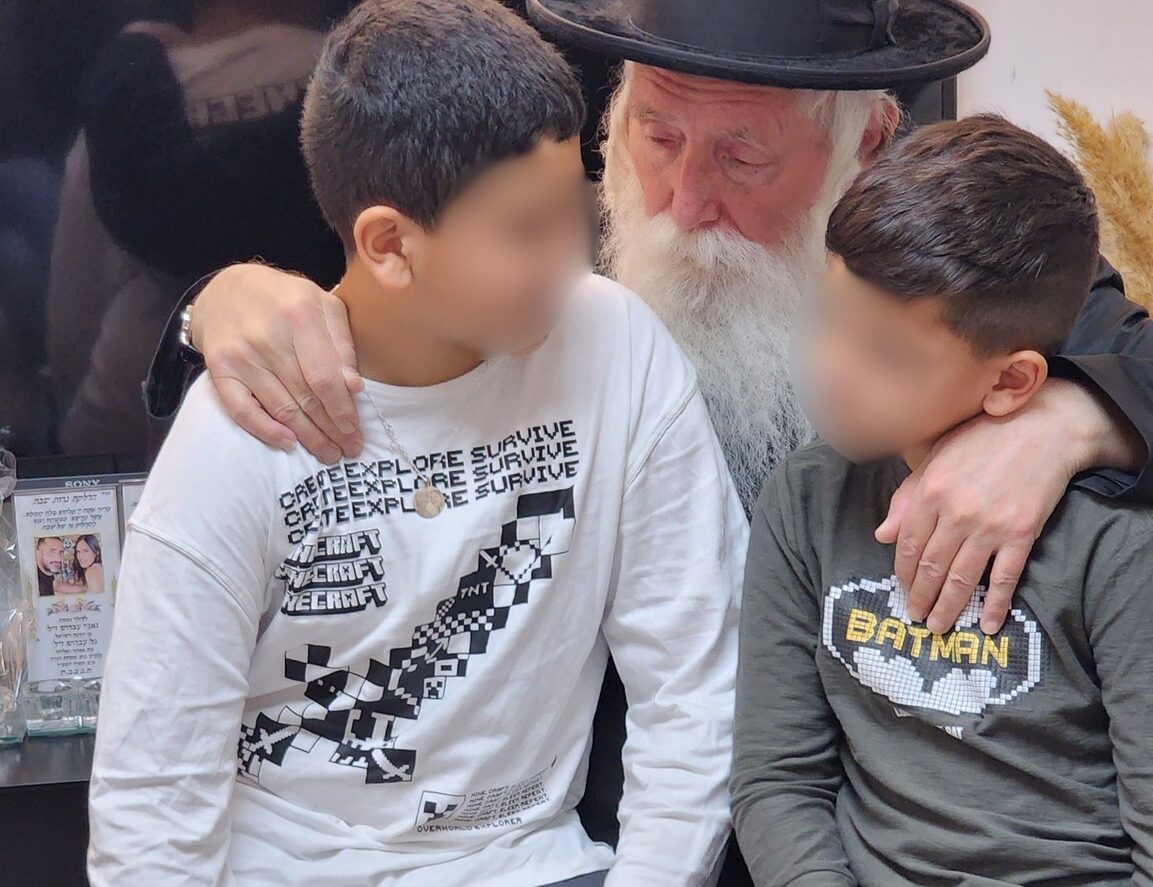
In the past months, Israel Prize Recipient Rabbi Yitzchak David Grossman visited the homes of families that were devastated on October 7th.  He comforted and strengthened them, showing his concern, and embracing them.  At his visits with the families, he met many children who had lost their parents, children who had experienced terrible trauma, children whose dreams were cut down in a moment.

Following this moving encounter with the families, Migdal Ohr Organization set up an aid fund to support these children until they reach maturity.

The Migdal Ohr Organization was founded by Rabbi Grossman for children and youth at-risk.  For them, Migdal Ohr is their only family.  As father of thousands of Israeli children, Rabbi Grossman understood the gravity of the situation and the need for the organization to enlist on behalf of the children.  For fifty years, Migdal Ohr has worked on behalf of children and youth and it will continue to lend a helping hand to every child who is in need of help.

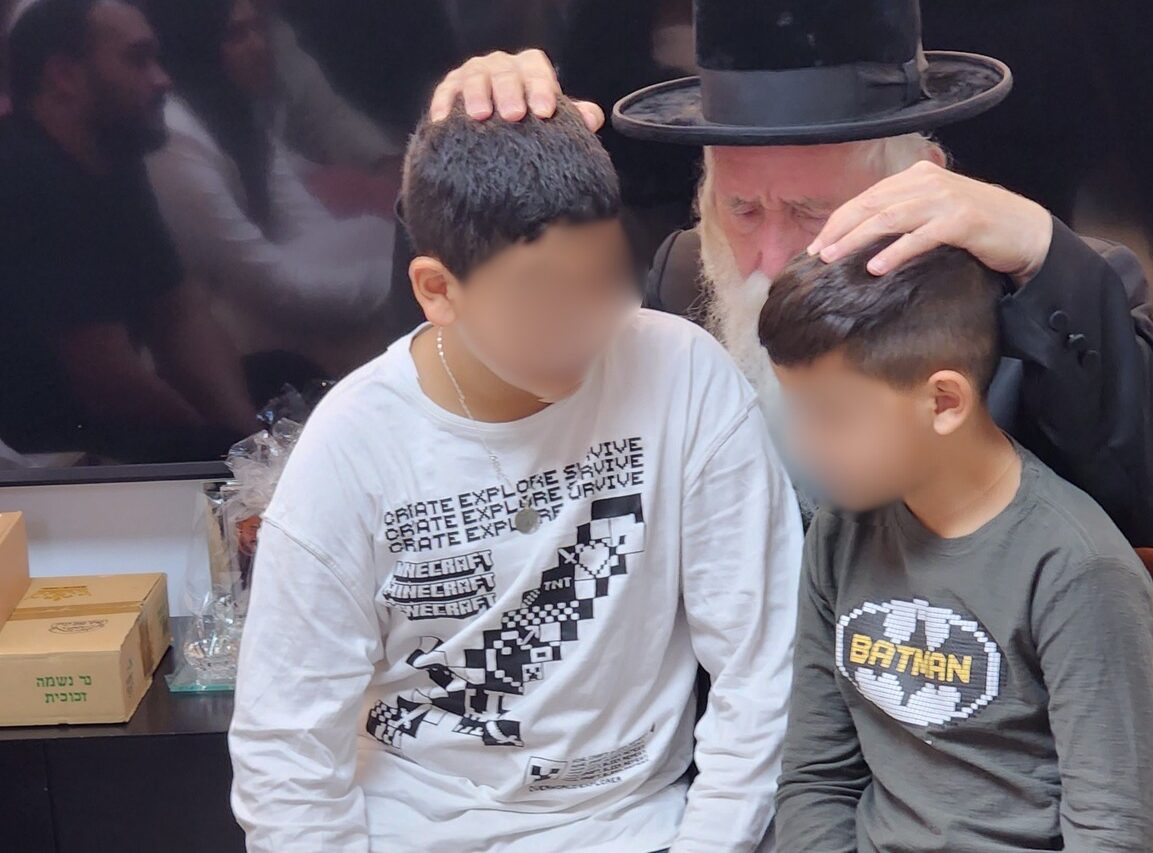
In the photos:  Rabbi Grossman at a visit to the Abdush Family who lost their two children Gal and Naji who were murdered in the terrible massacre at the Nova Festival.  May their memory be a blessing.

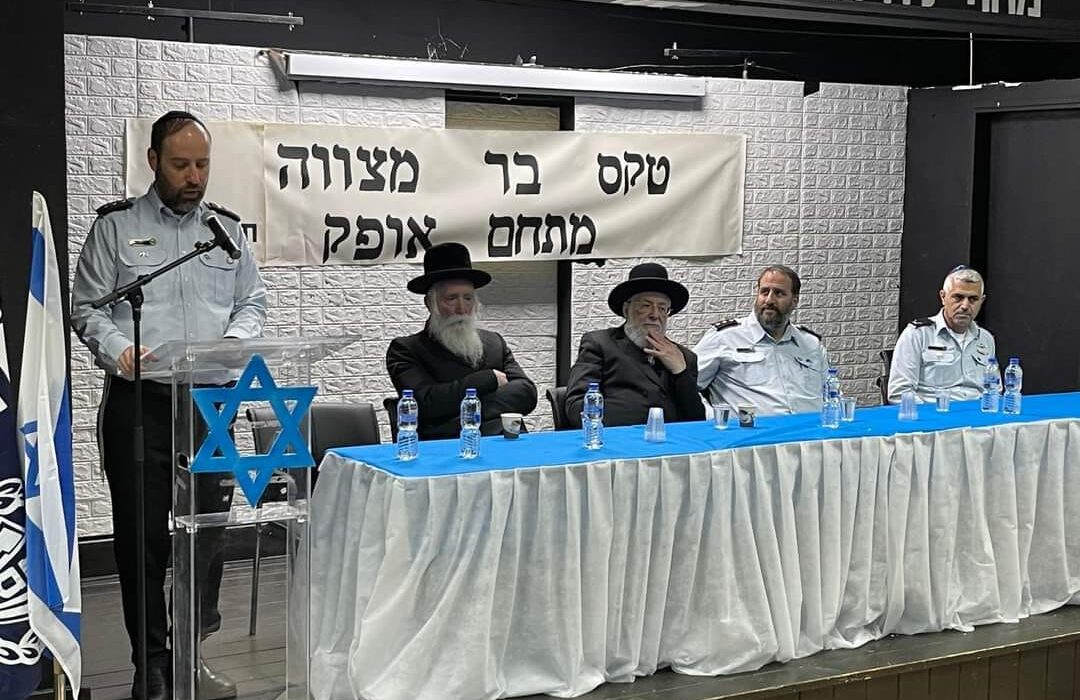
הרב גרוסמן בטקס בר מצווה לאסירים קטינים

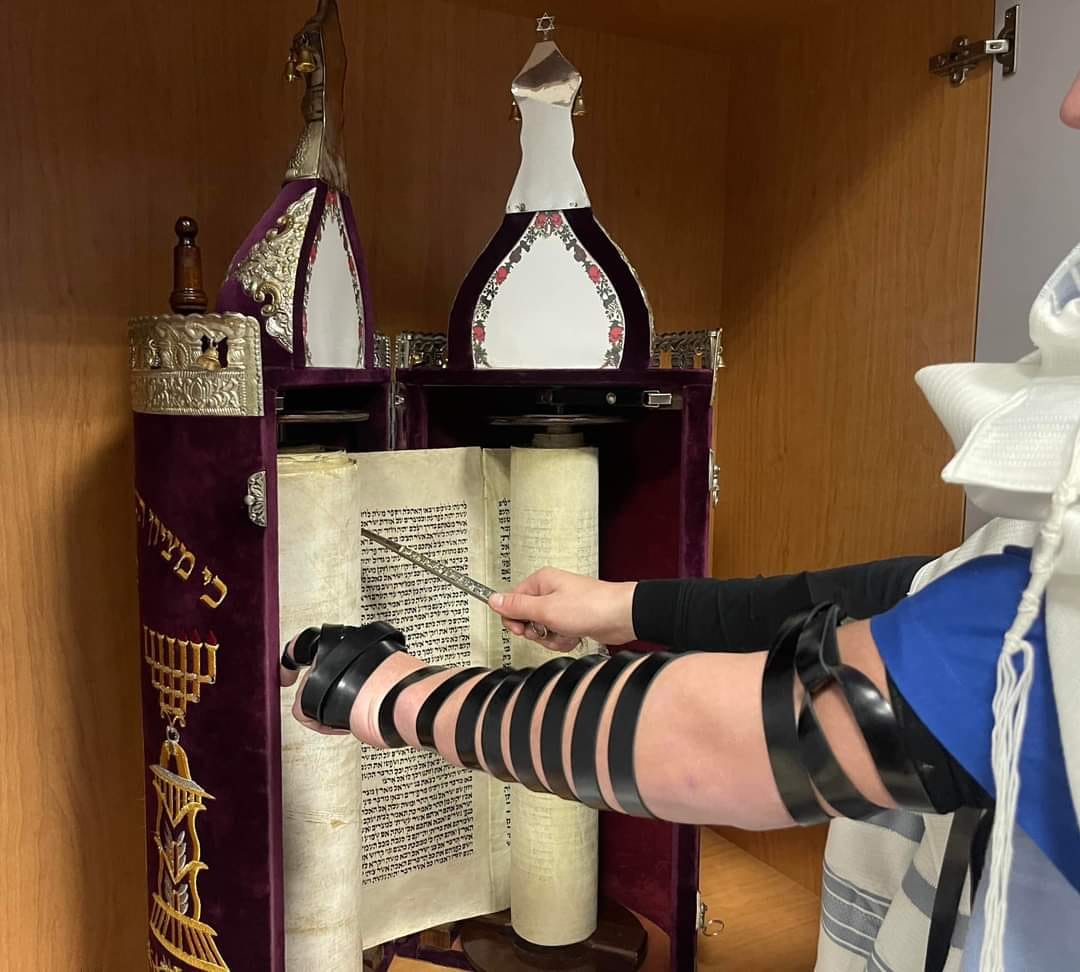
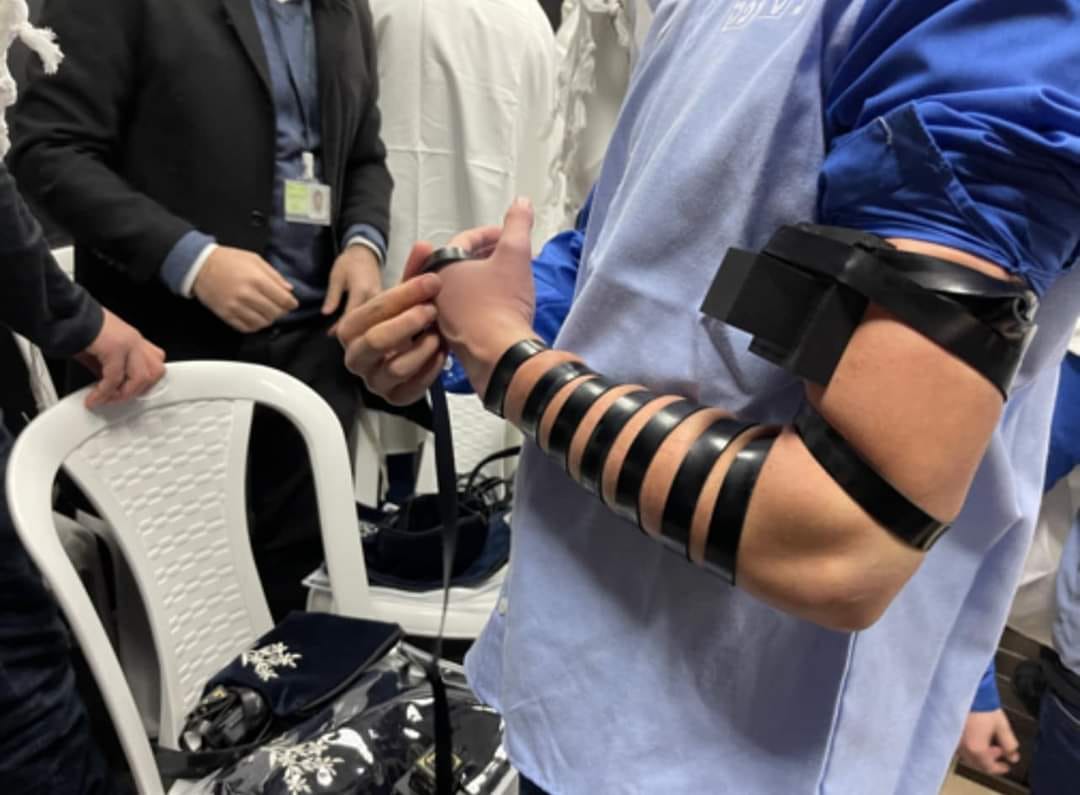
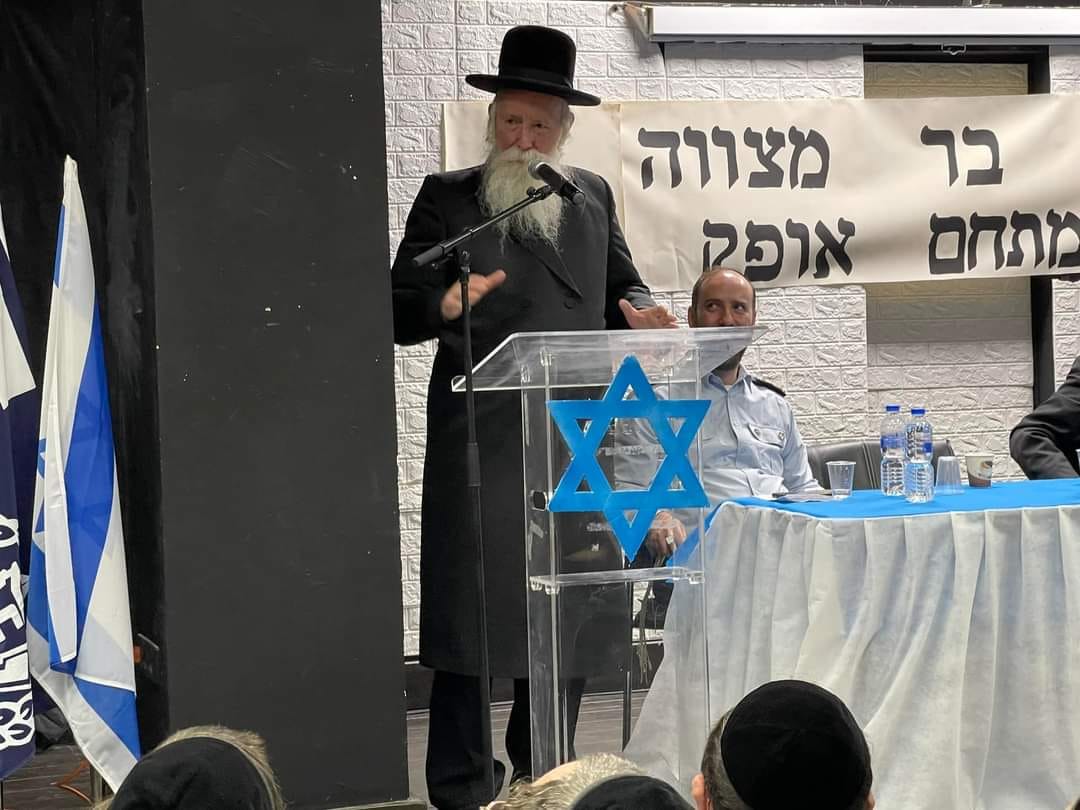
Rabbi Grossman holds a bar mitzvah ceremony for ninety teenagers at the Ofek Juvenile Prison. Rabbi Grossman: “You have an opportunity to start from the beginning and say to yourself – what happened is in the past”

For many years, Israel Prize Recipient Rabbi Yitzchak David Grossman has worked to rehabilitate prisoners in Israel’s prisons along with this extensive activity on behalf of children and youth at-risk.

Last week, the Rabbi was invited to celebrate with nine teens at the Ofek Prison at their very moving bar mitzvah ceremony, as part of their personal and rehabilitative journey at the prison.

The ceremony, which focused on maturity and assuming responsibility, was attended by the Rimonim – Ofek Prison’s commander, Assistant Commissioner Hagai David, Chief Rabbi of the Israel Prison Service, Junior Commissioner Eyal Salman and the honorable Chief Rabbi Meir Lau.

Rabbi Grossman told the teens: “You have the opportunity to start from the beginning and tell yourself – what happened is in the past.  I believe in the ability of each person to make a change and to choose the good and straight path and embark on a new journey”.

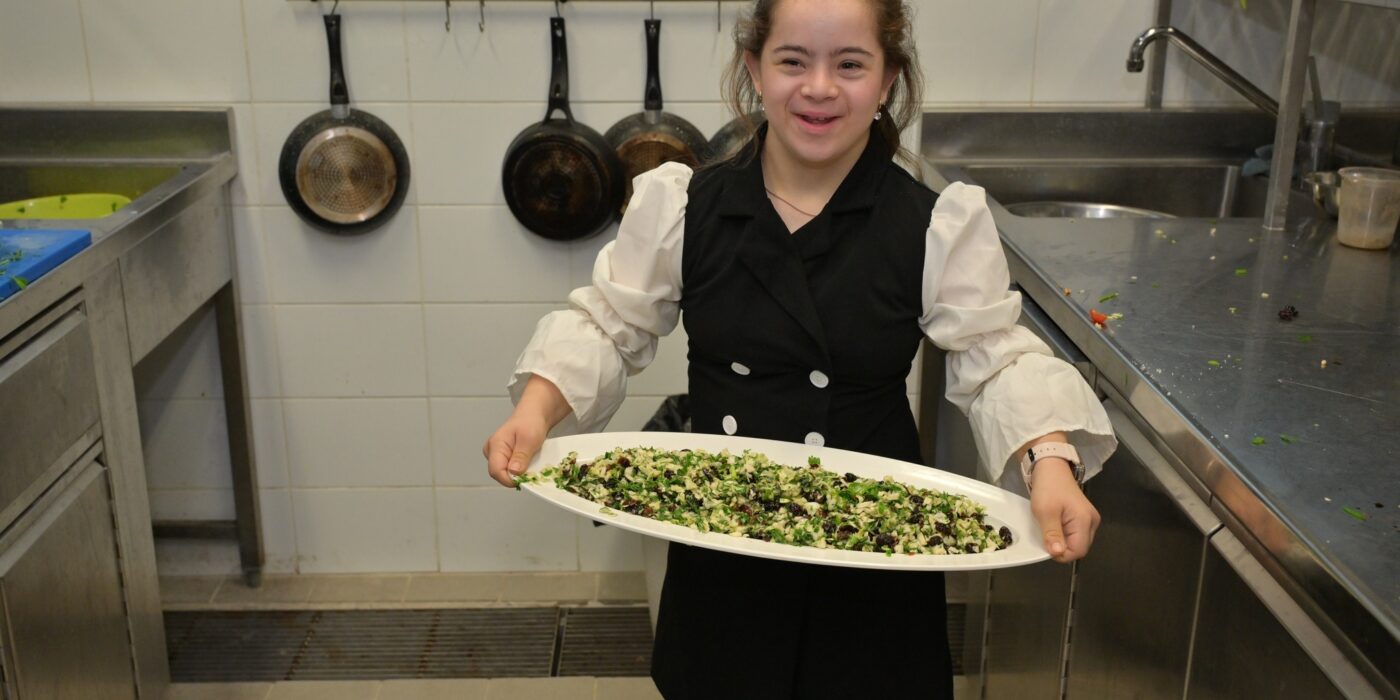
תלמידה מציגה את מטעמיה

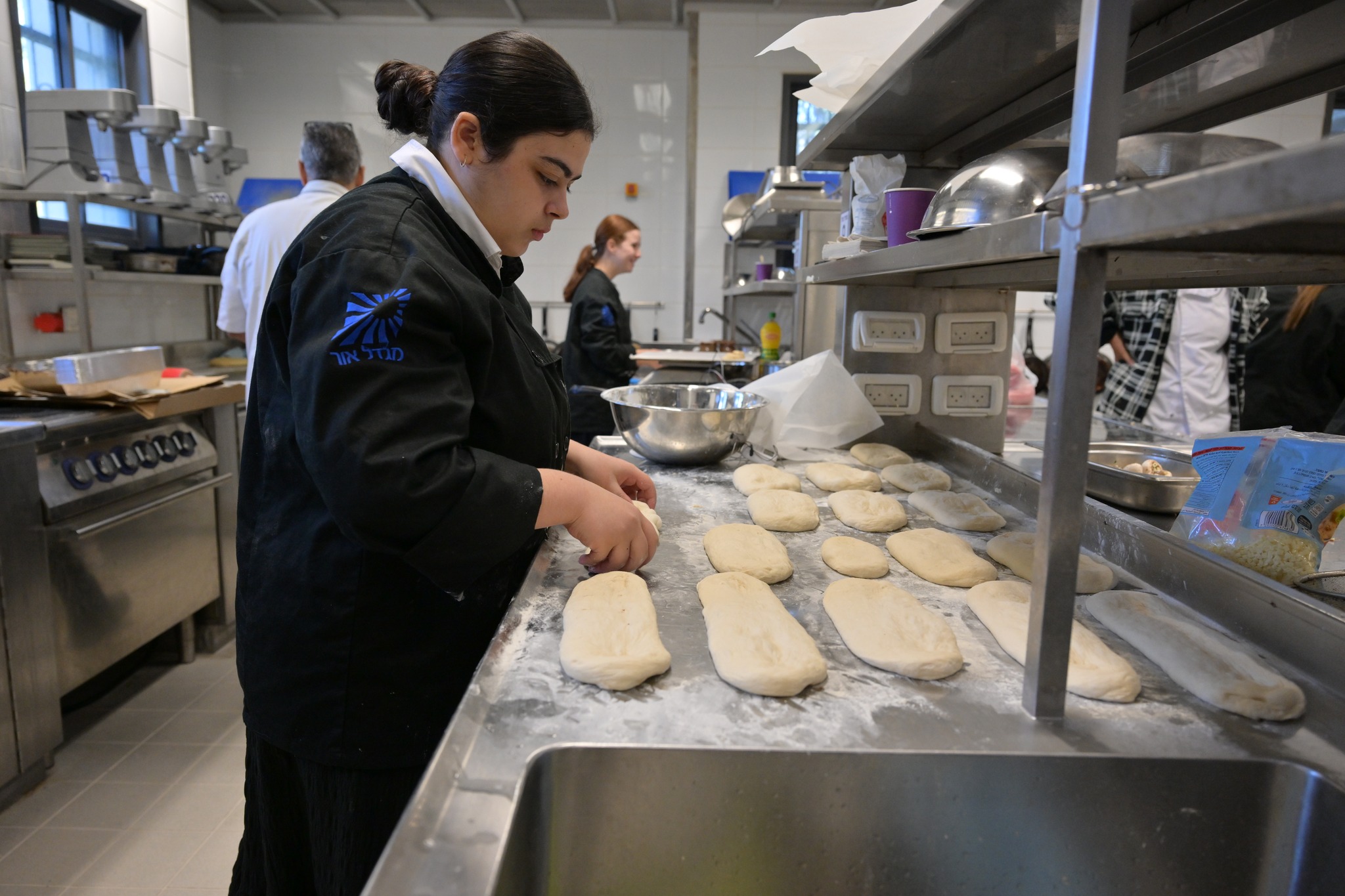
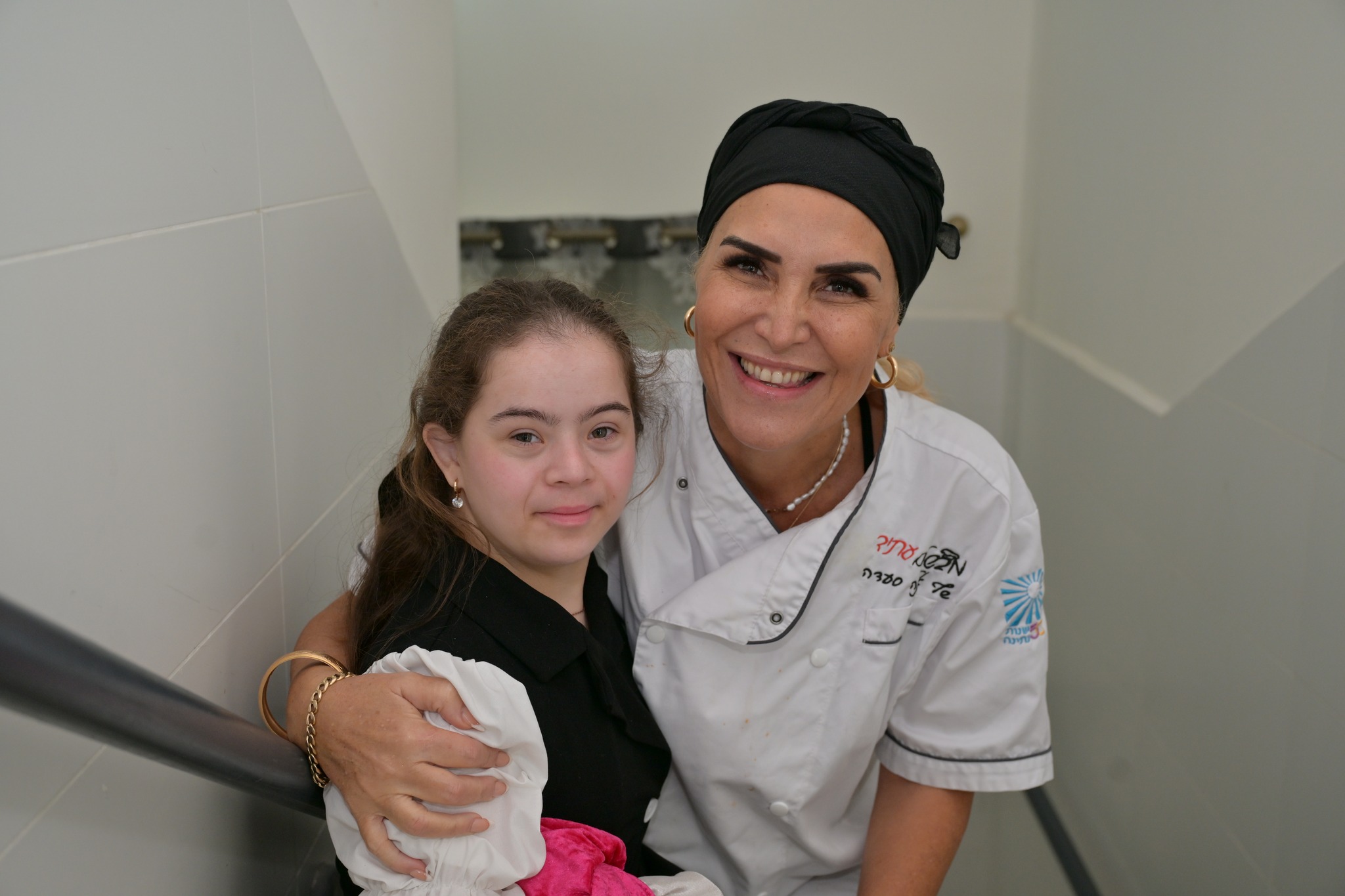
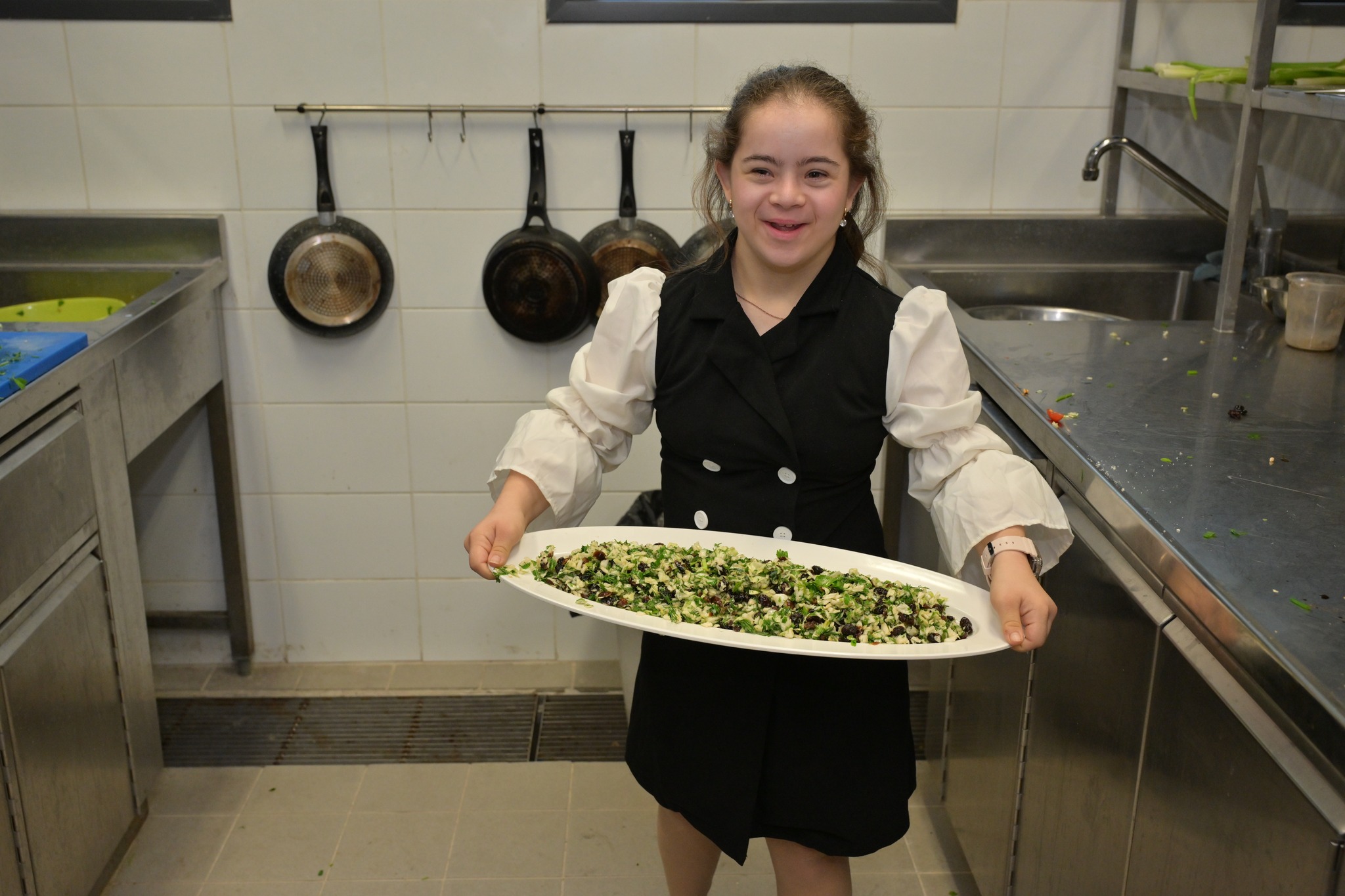
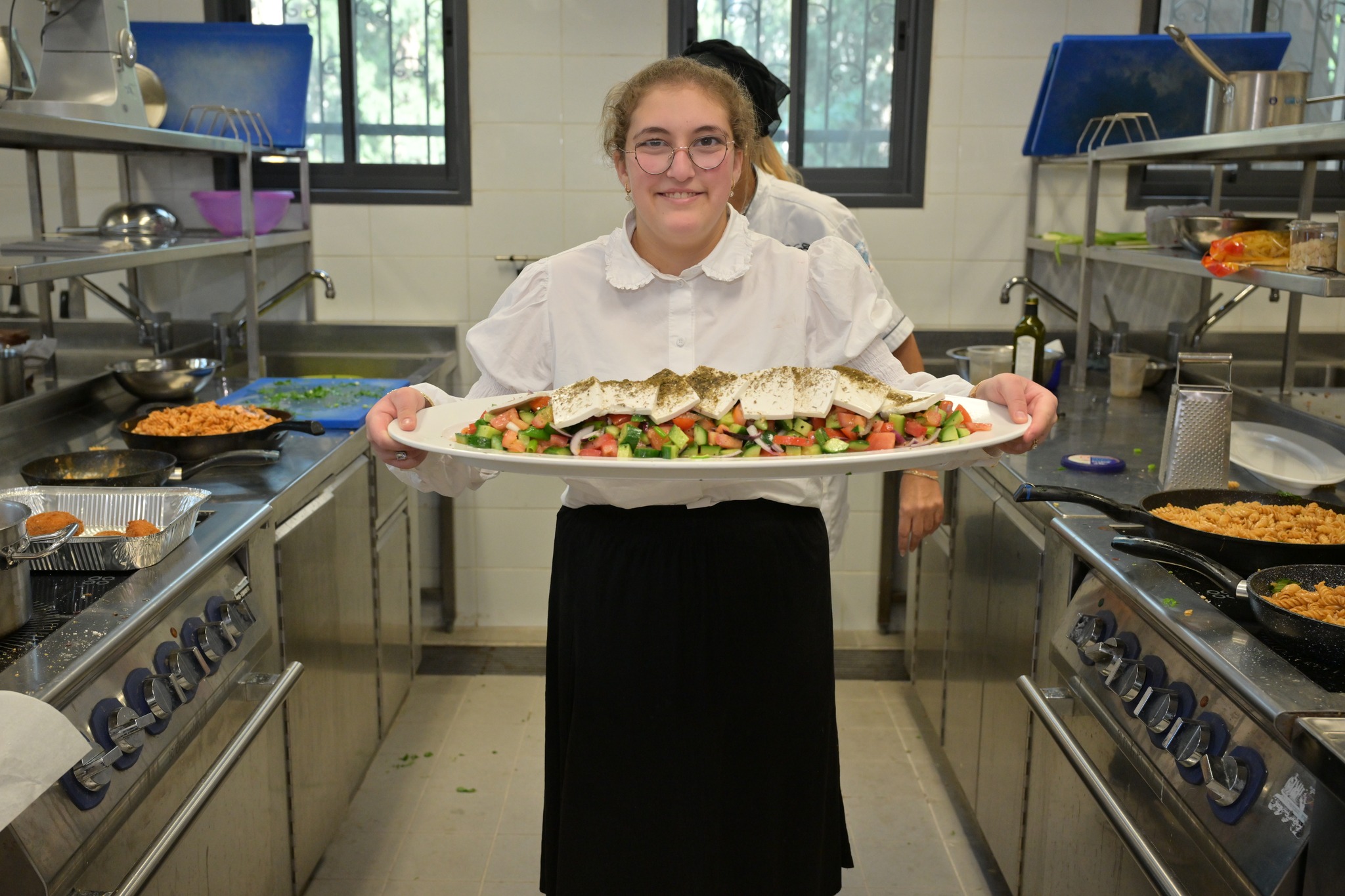
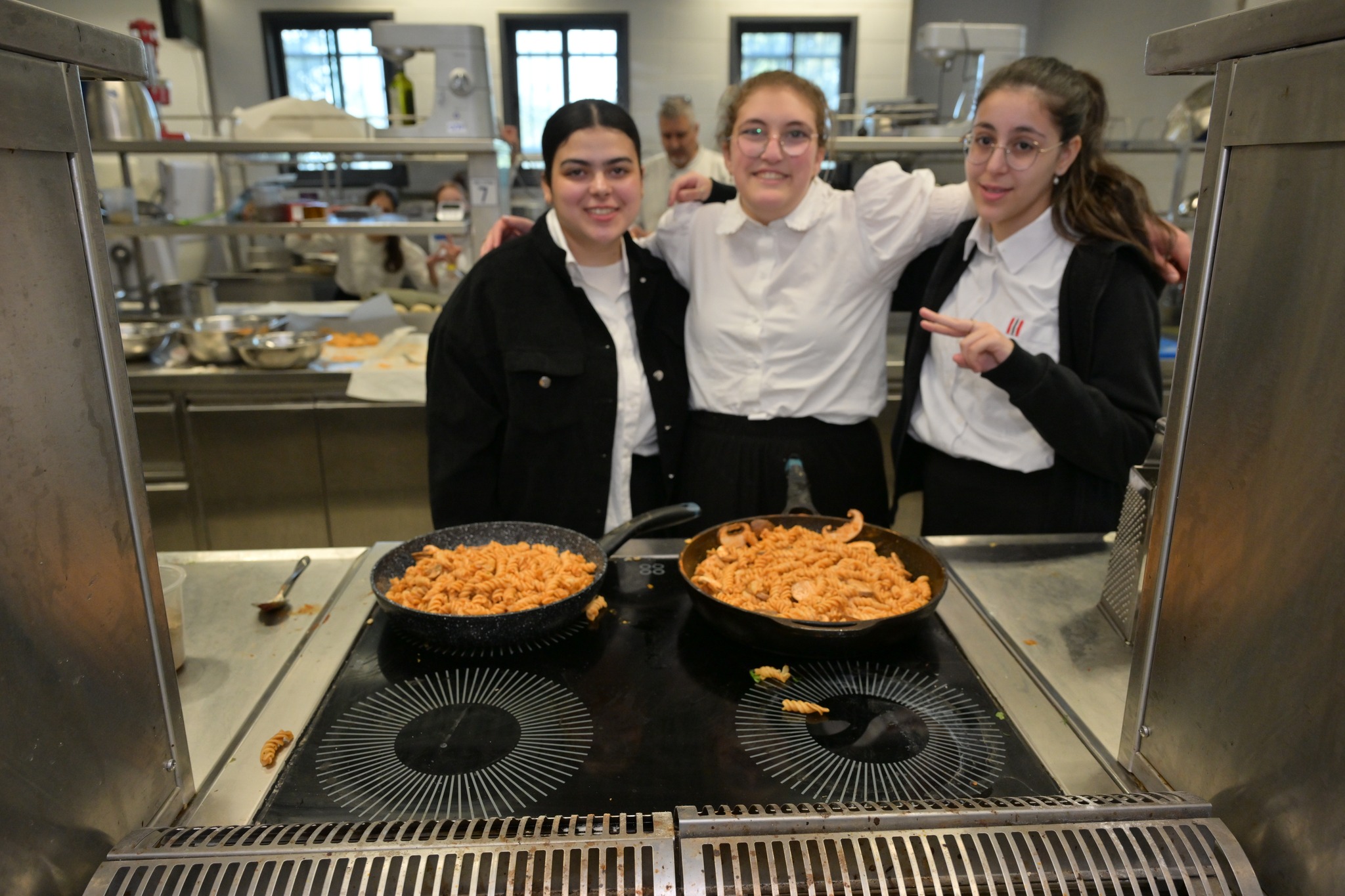
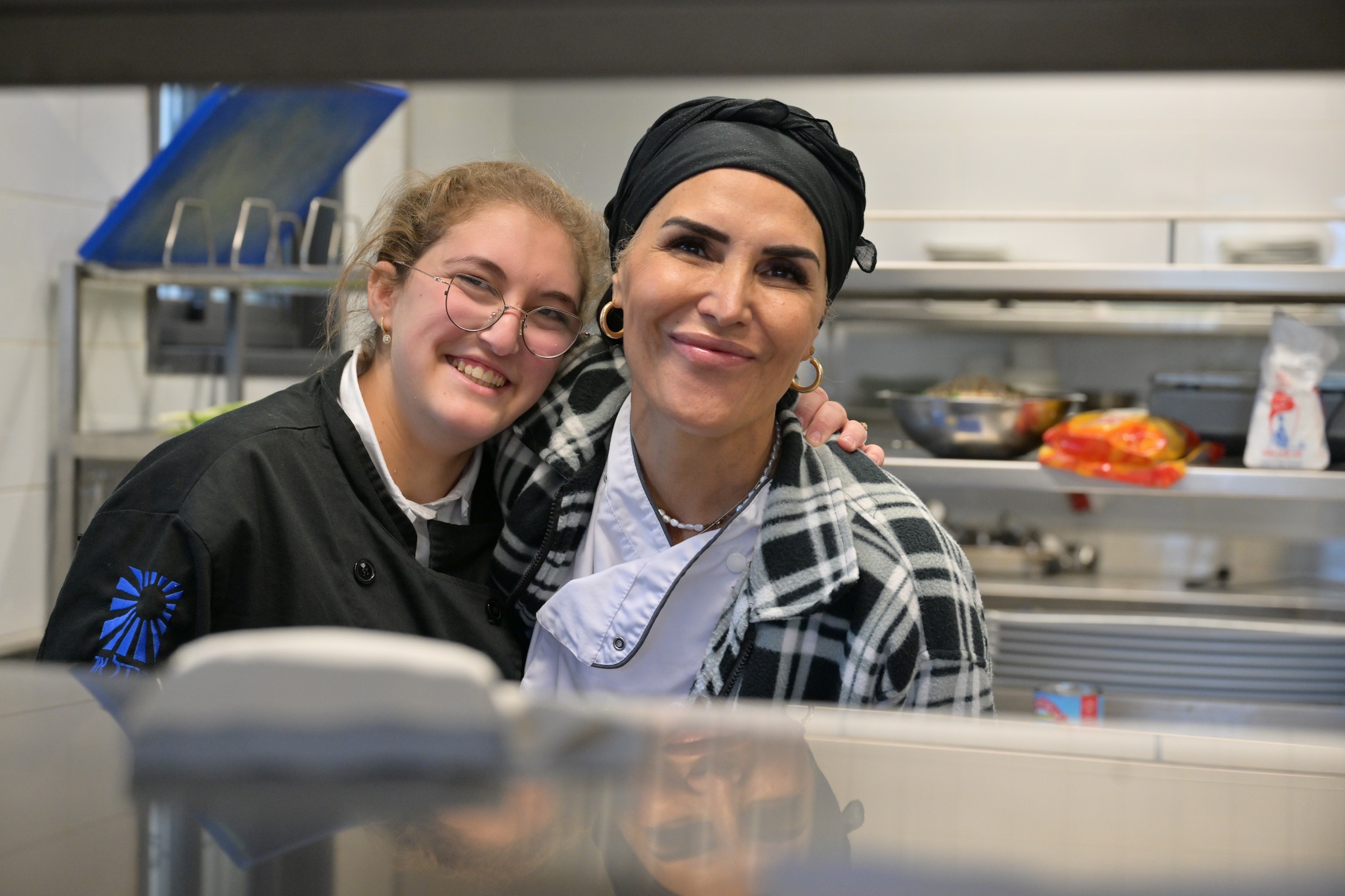
Cooking Up a Future: Migdal Ohr’s Culinary Studies Program opens its doors to pupils from special education programs

At the Migdal Ohr Organization’s educational institutions, children and youth with special needs are mainstreamed, who generally study at special education programs.  This year, for the first time, we opened the program called Cooking Up a Future to them, so they can receive additional life skills.

Cooking Up a Future is a culinary arts curriculum that trains pupils in the fields of catering and hospitality, giving them an opportunity to integrate into the work force in the fields of restaurant and hotel services.

In honor of the launch of this unique program for children with special needs, the first group of pupils were invited to a festive dinner with their parents and they demonstrated their natural abilities and talents.

It waws moving and delicious!

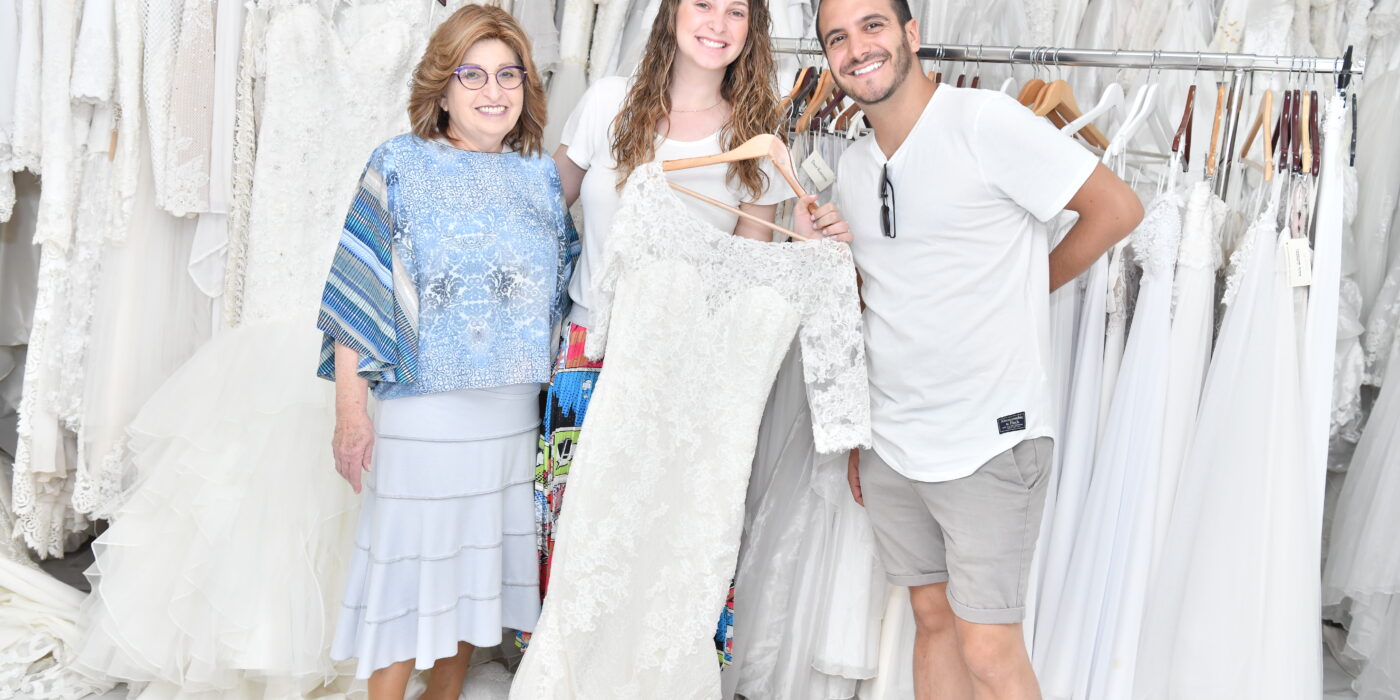
הרבנית גרוסמן עם זוג בסלון הכלות

“A Great Privilege”: A moving project of free wedding gowns for brides of soldiers in reserve duty

Rebbetzin Esther Grossman spearheads the Likrat Kallah Wedding Dress Project.  She has launched an initiative for brides of the reserve duty soldiers and brides of evacuee families from the south and the north, providing them with free wedding gowns.  The Rebbetzin’s decision, together with the other staff members was in response to many couples wishing to get married, but who were experiencing difficulties.  Their partner was called up, sometimes even the bride was called up, or the couples who were quickly evacuated had little available time and often were experiencing financial difficulties as a result of losing their jobs.  They had no patience or time or money to purchase these expensive wedding gowns.  Additionally, as a result of the war, many couples decided to bring their wedding forward before their partner entered the fighting.  “It is a great privilege and mitzvah to help a bride who wishes to get married now, and in general,” says Rebbetzin Grossman.  “We will happily help out and offer a wedding gown to every bride that contacts us.  This is a great privilege to help the Jewish People and to help the heroic Israeli girls who are coping with a very difficult and complex time with its worries and concerns.”

The bridal salon started by the Rebbetzin, the wife of the Chief Rabbi of Migdal HaEmek and president of the Migdal Ohr institutions, Rabbi Yitzchak David Grossman, was opened many years ago in Migdal HaEmek, to assist alumni of the Migdal Ohr Organization, girls who could not afford to pay for their weddings.  The salon is stylishly and innovatively designed and includes hundreds of wedding gowns displayed on hangers, a makeup and hair styling room, hundreds of bridal shoes, etc.  The wedding gowns were donated by the leading bridal salons and designers in Israel and from overseas and normally sold for NIS 15-25 thousand.

Salon manager, Esther Ben Harush assists the young brides, meeting with them personally and suiting each bride with the dress of her dreams, based on her personal taste and dimensions.  If necessary, the dress is altered to suit them exactly.  The brides are warmly welcomed and in addition to the wedding gown, make up and hair styling, they also receive a bouquet.  “Weddings at this time are generally small and intimate, and take place in a family setting,” says Ben Harush.  “The Rebbetzin’s important project helps brides during these difficult days and helps them be happy on their special day.  Currently, we actually have more weddings than one would expect and the family connection is very important to the couples.  Today, the gowns are classic and more suited to the period.”

“This salon was a dream come true,” says Rebbetzin Grossman, describing how it all began.  “One of our girls was about to get married and she didn’t have a wedding gown.  I started to look at the dress free loan societies and I was given an address.  I came to the apartment, was warmly welcomed and they opened the closet with a few dresses, and it was difficult for me.  The bride would have been very happy with the dress she received, however, I had a dream of opening a salon especially for brides, a large and respectable salon.”

One day, when she was walking down the street, immersed in her thoughts, she met a city resident.  “She asked me, what are you so thinking about and I told her that I need a veil for my bride who studies in one of the network’s institutions and she invited me to come to her house the next day.  She told me that she had a bridal salon in Migdal HaEmek, and she ordered gowns from Italy; but by the time the gowns arrived, they had closed the salon and were left with 40 gowns and asked me if I wanted them.”

At that moment, the Rebbetzin knew that she would open a beautiful bridal salon to provide her students with a solution and for any bride in need of its services.  “The organization had an old building that was used for other needs.  It was renovated and was turned into a beautiful bridal salon.  After the salon was ready, the Rabbi came for a visit and asked me why such a big building had so few gowns.  I told him that I only had 40 gowns and he said that he knows me and in a year’s time the salon would grow.  And so it was.  The gowns are all donated, so that brides who after the wedding have nothing to do with the gown, or salons who after 3-4 times stop renting the gowns, and gowns from overseas can donate them.  We contacted a Jew from Mexico and he ran an organization called Yad L’Kallah, who after visiting the salon, he sent me new gowns.”

The Rebbetzin’s bridal salon was publicized by word of mouth, and many brides come from across the country.  “We have brides from Eilat, Katzrin, Jerusalem, Tel Aviv and from dozens of cities and towns,” says Ben Harush.  “Secular, traditional, Haredi and national religious brides, who are constantly surprised by the beautiful selection and impressed that the salon does not compromise on anything.  They come a number of times for fittings and are very satisfied.”  The Rebbetzin summarizes:  “At first, I opened the salon for the pupils, and later I decided that every bride who cannot afford to purchase a wedding gown should be welcome to come.  The brides bring a deposit check with them, which they get back after they return the gown.

To schedule an appointment, contact Esther Ben Harush at Tel:   054-2327144

שי קנופפר במדי צה"ל

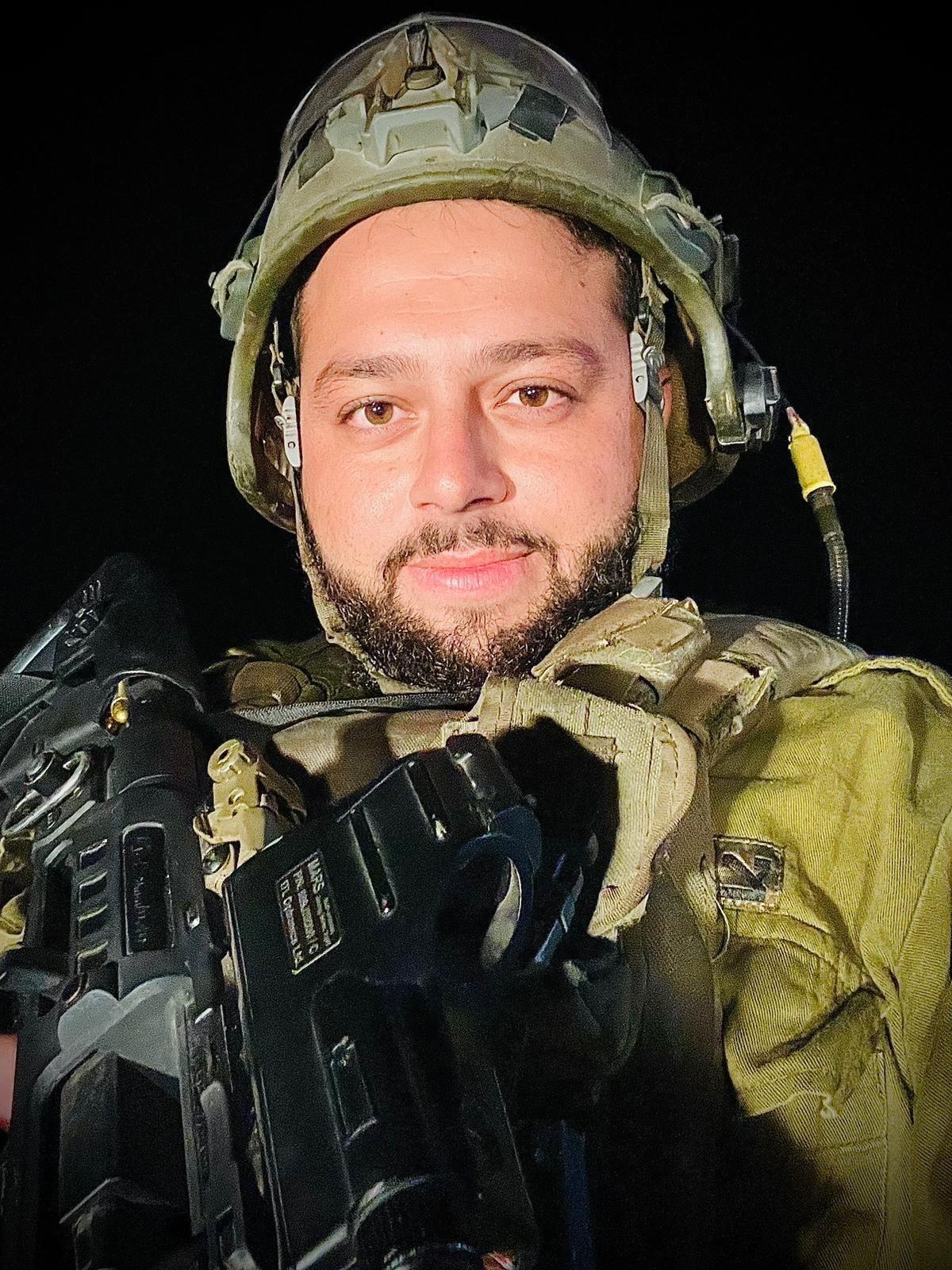
Shai Knopfer, graduate of Zoharim Youth Village: “We were educated at the youth village to give back to society and to the State of Israel. This is my opportunity to contribute to the war effort”

“It was clear to me that this is the most important and the right thing to do now.  To stand alongside the unit’s members and alongside the entire State of Israel.  I boarded the first flight to Israel.”

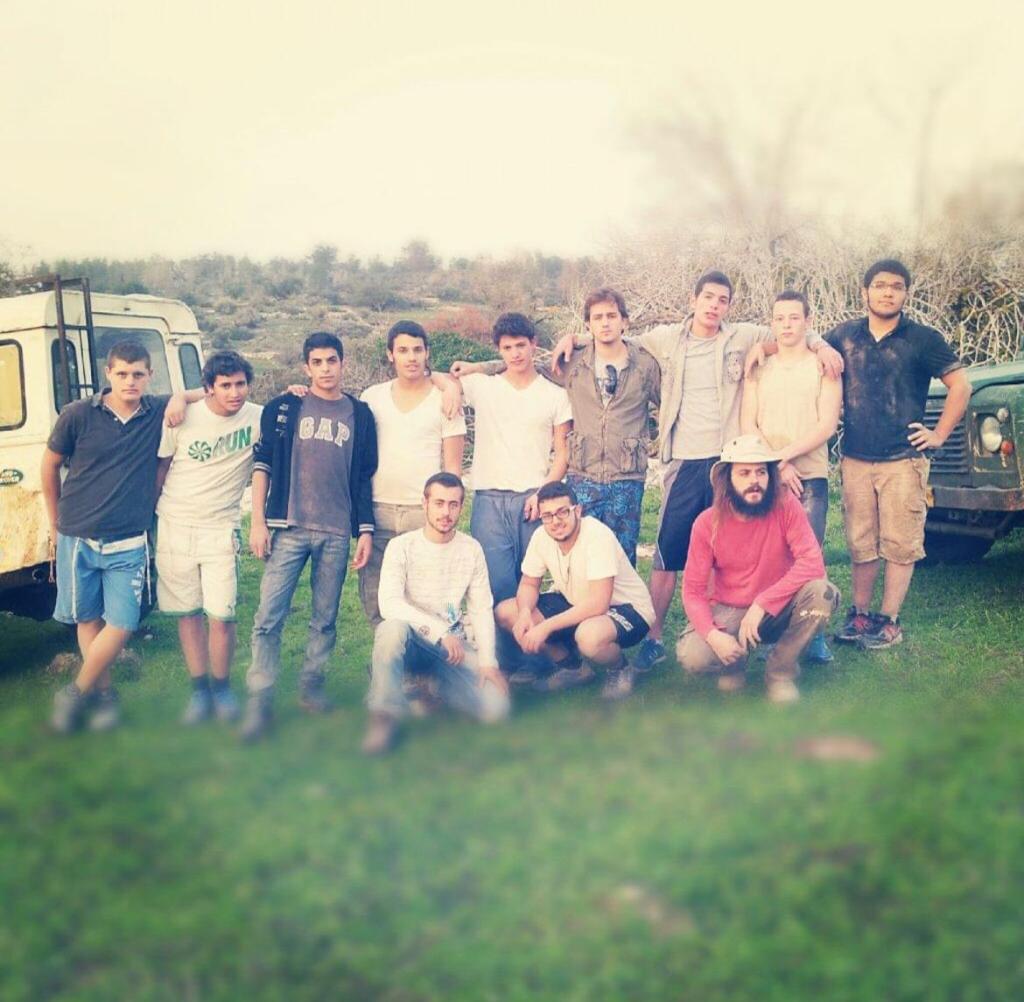
Shai is one of the first pupils of the Zoharim Agricultural Youth Village.  He grew up in a Haredi family and did not find his place living under the dictates of this society.  Very quickly he was rejected by the conventional Haredi educational frameworks and lost his way.

During these difficult times, and throughout his life, Rabbi Grossman was his moral compass.  Shai says:  “When I first met Rabbi Grossman, I had lost my way and had very little confidence in myself.  I left the yeshiva and was surrounded by crime and drugs.  This wasn’t me, but I had no idea of how to make my way back.”

When he arrived at Zoharim, it still was just the Rabbi’s vision.  “There is nothing here!” he said.  Rabbi Grossman told him:  “You and your friends will be the ones to build this place, you will build  your new home.  And so it was.  For months they built, paved, tilled and established a beautiful village in the heart of the Ela Valley.  Since that time, at age 16, the Rabbi was like a father to him.

“At the Zoharim Youth Village, we were taught to give back and to contribute to society and the State of Israel,” says Shai.  As a teenager who grew up in a Haredi environment, military service was not on his agenda.  Moreover, Shai didn’t know any relative or someone in the neighborhood who had been inducted  into the army.  At Zoharim Youth Village, an emphasis is placed on the importance of military service and giving back to the country, and Shay, along with his friends at Zoharim, enlisted into the IDF for a meaningful service in elite units.

Shai successfully completed his studies at Zoharim, served in the IDF, and built a warm and loving family with four children.  “Rabbi Grossman encouraged me to marry my girlfriend and officiated at my wedding.  I named my first son Ohr and my fourth son David after the Rabbi,” says Shai.  Today, Shai lives with his family in Miami, Florida in the U.S.

On October 7th, Shai’s unit was called up to serve on the border with Gaza and Shai caught the first flight to Israel.  The unit’s mission was to identify the bodies of members of Kibbutz Be’eri and to rule out the possibility that people were taken hostage.

“It was clear to me that this is the most important and the right thing to do now.  To stand alongside the unit’s members and alongside the entire State of Israel. I was fortunate to have received so much from Zoharim Youth Village, where I learned that we must also give back.  There is nothing better than giving.  We were taught to give back to society and the State of Israel and this is my opportunity to do the right thing and do my part during the war”.

תלמידות ומורה בכנסיה למקלט

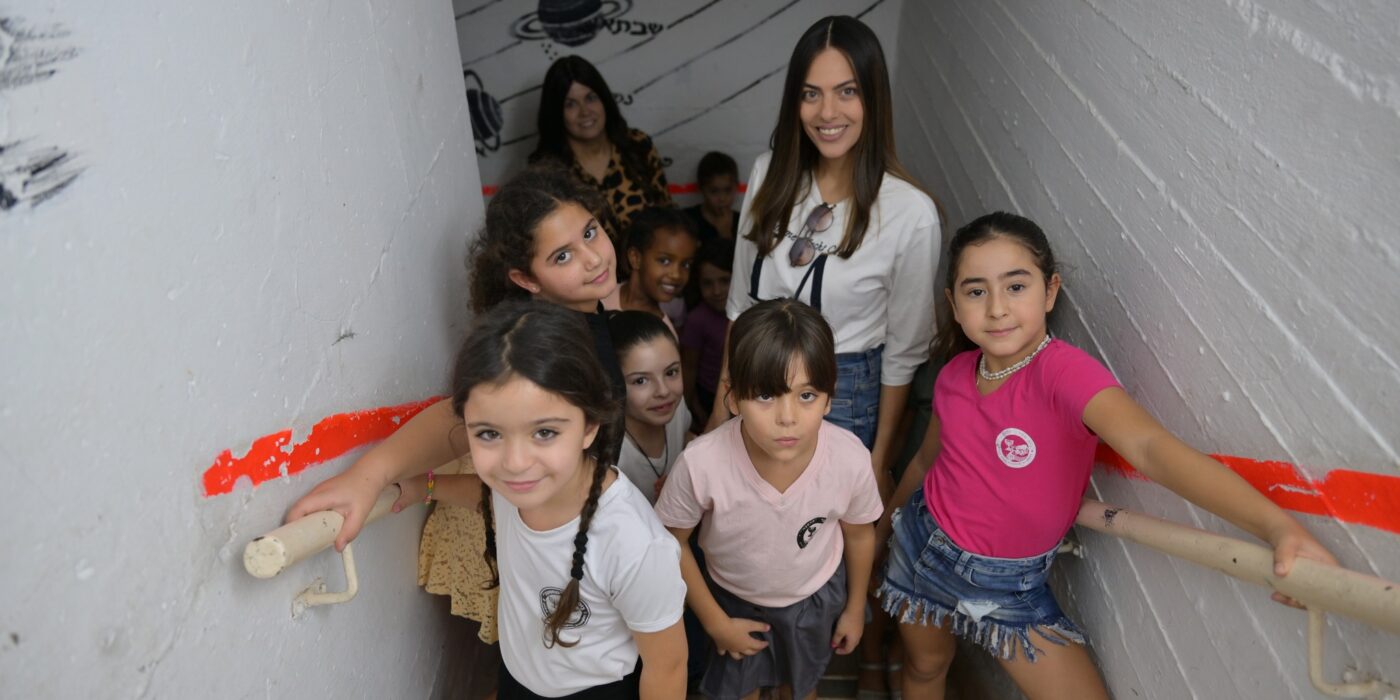
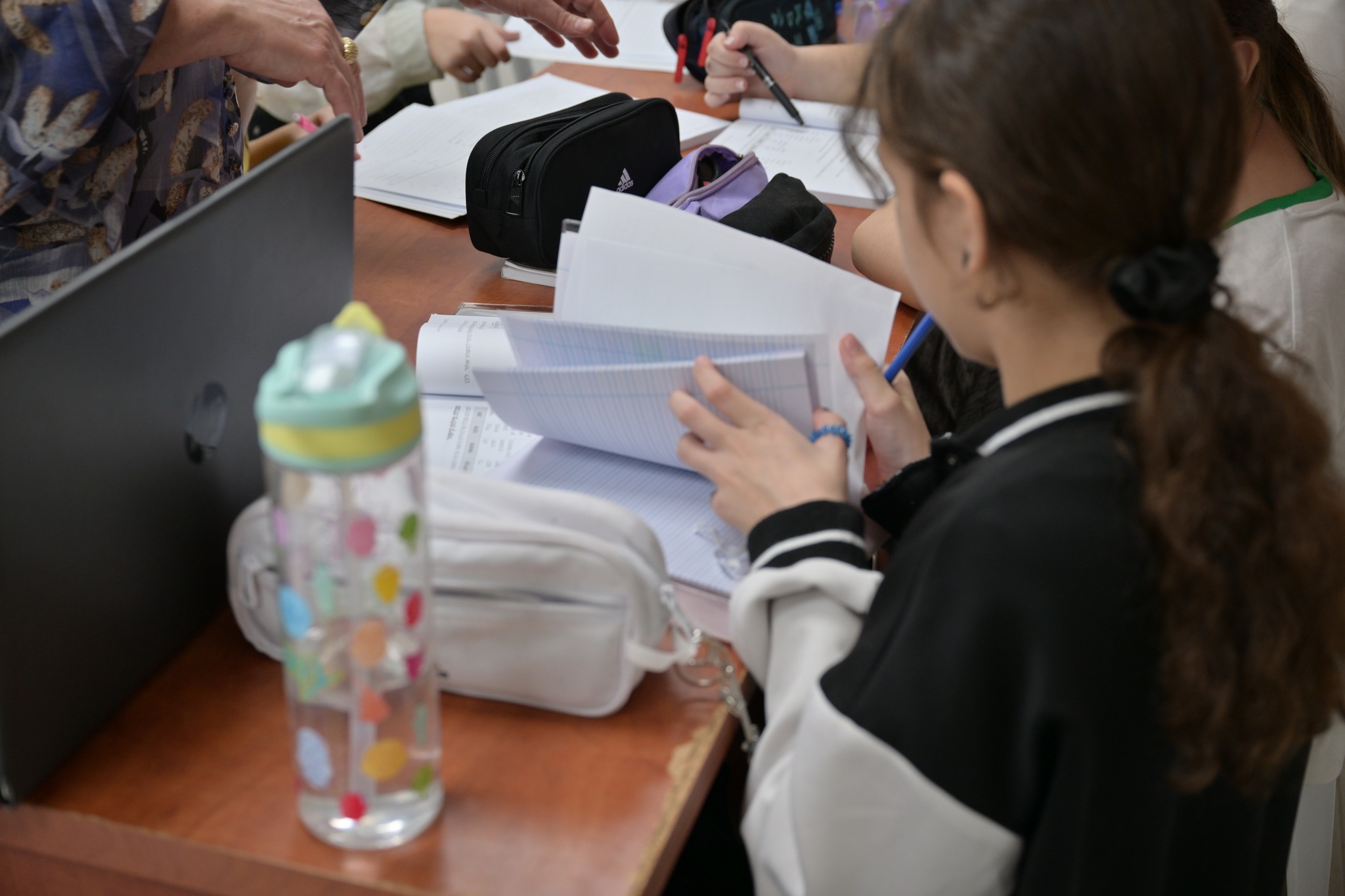
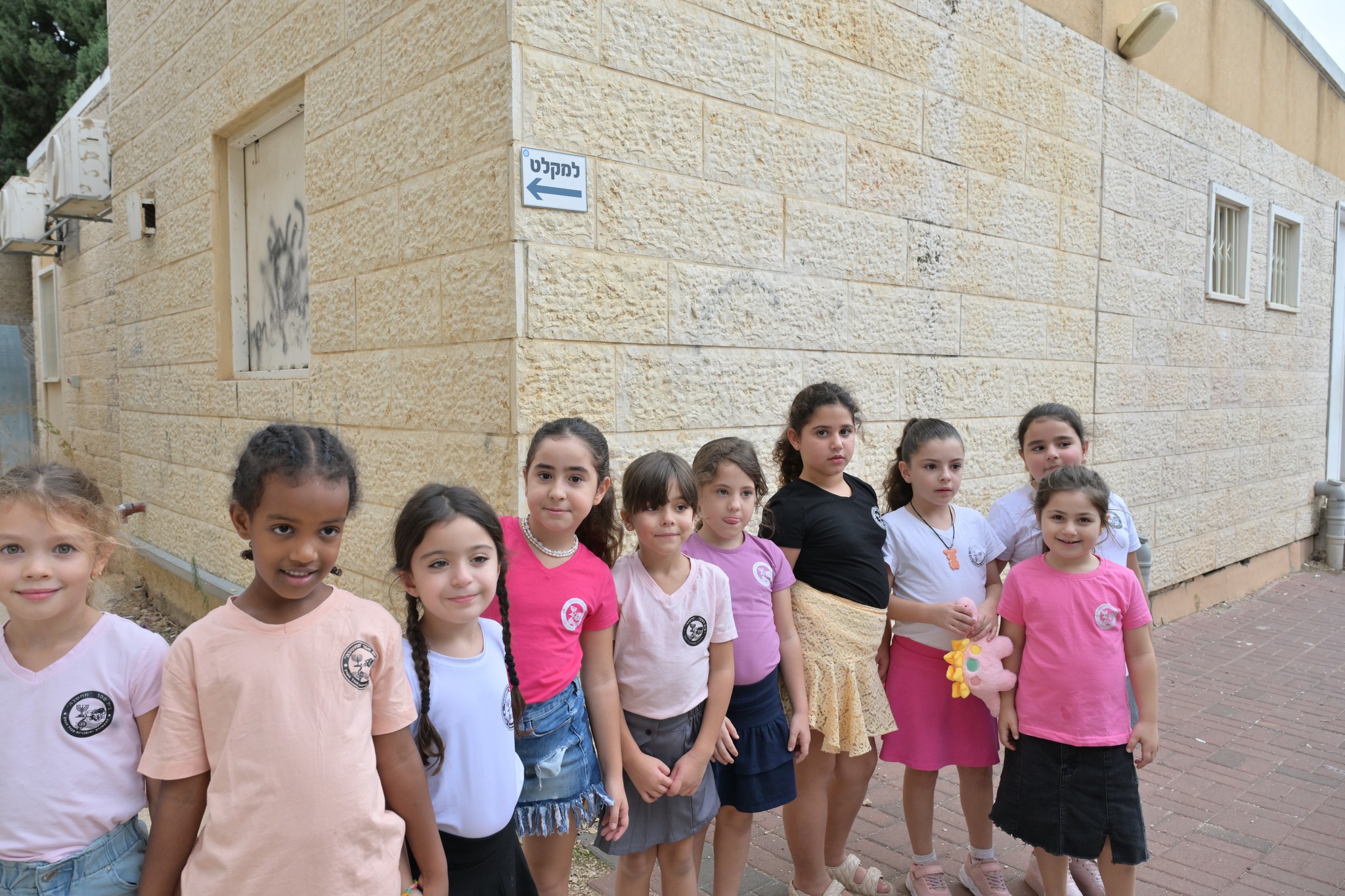
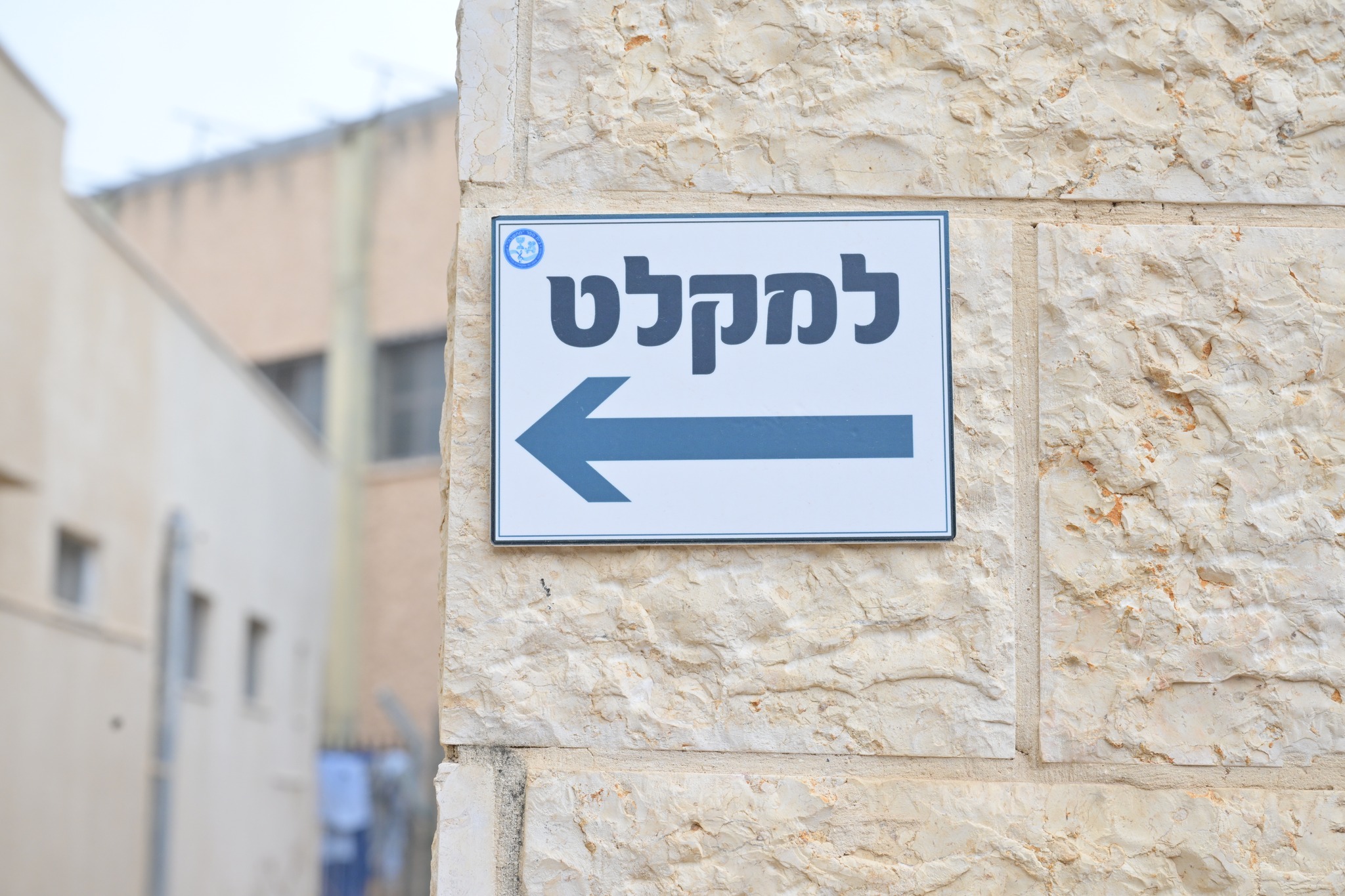
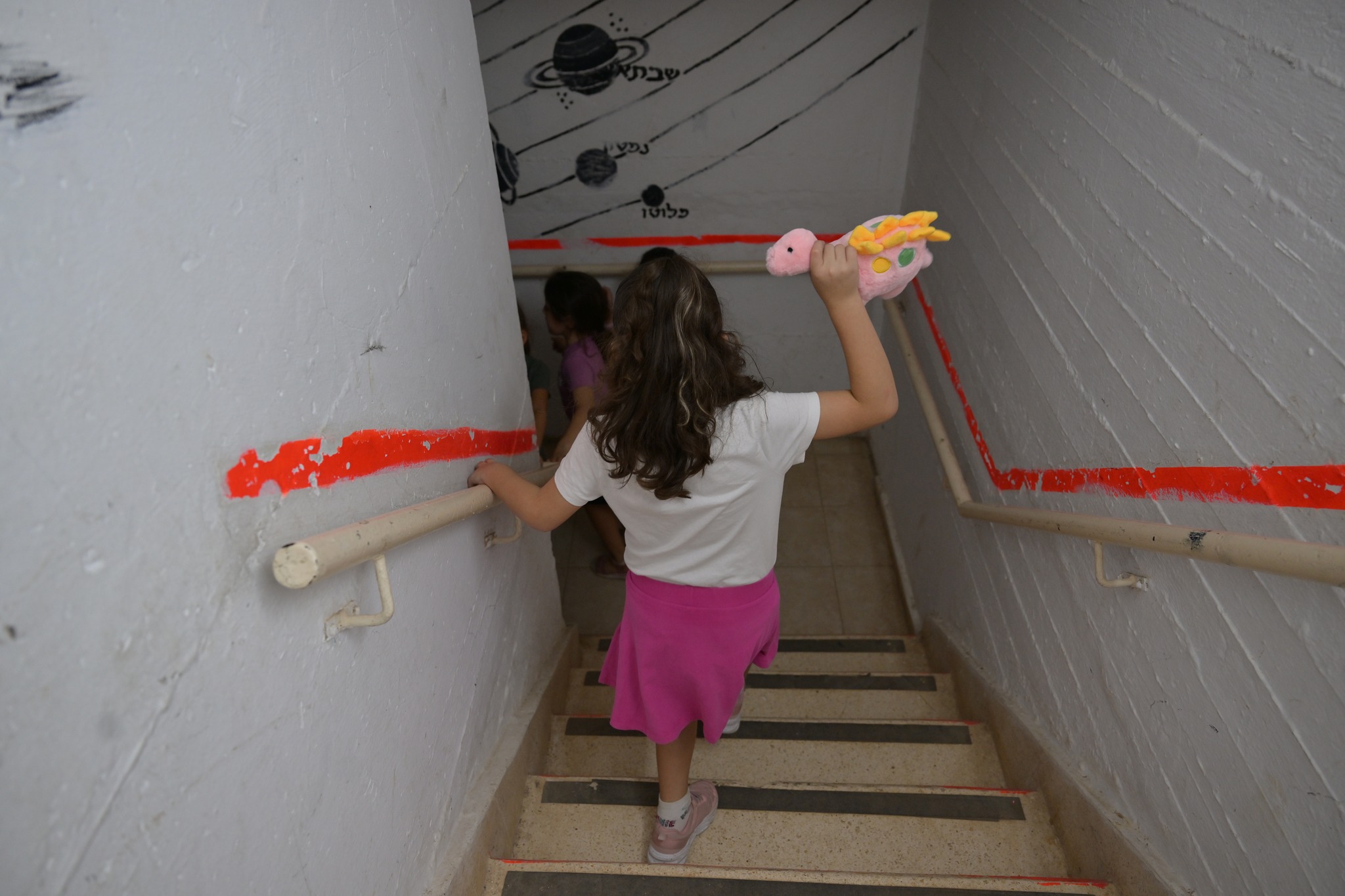
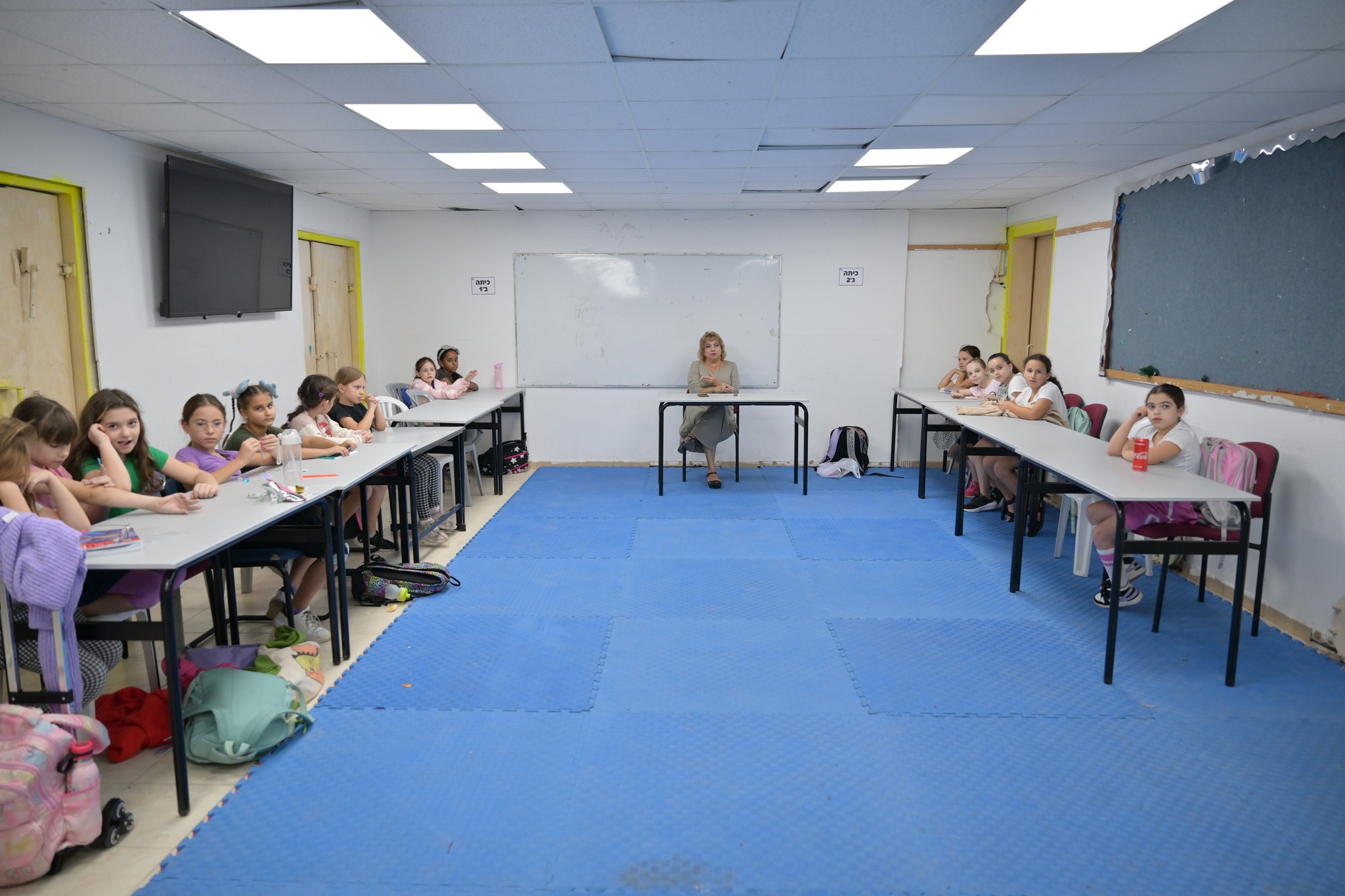
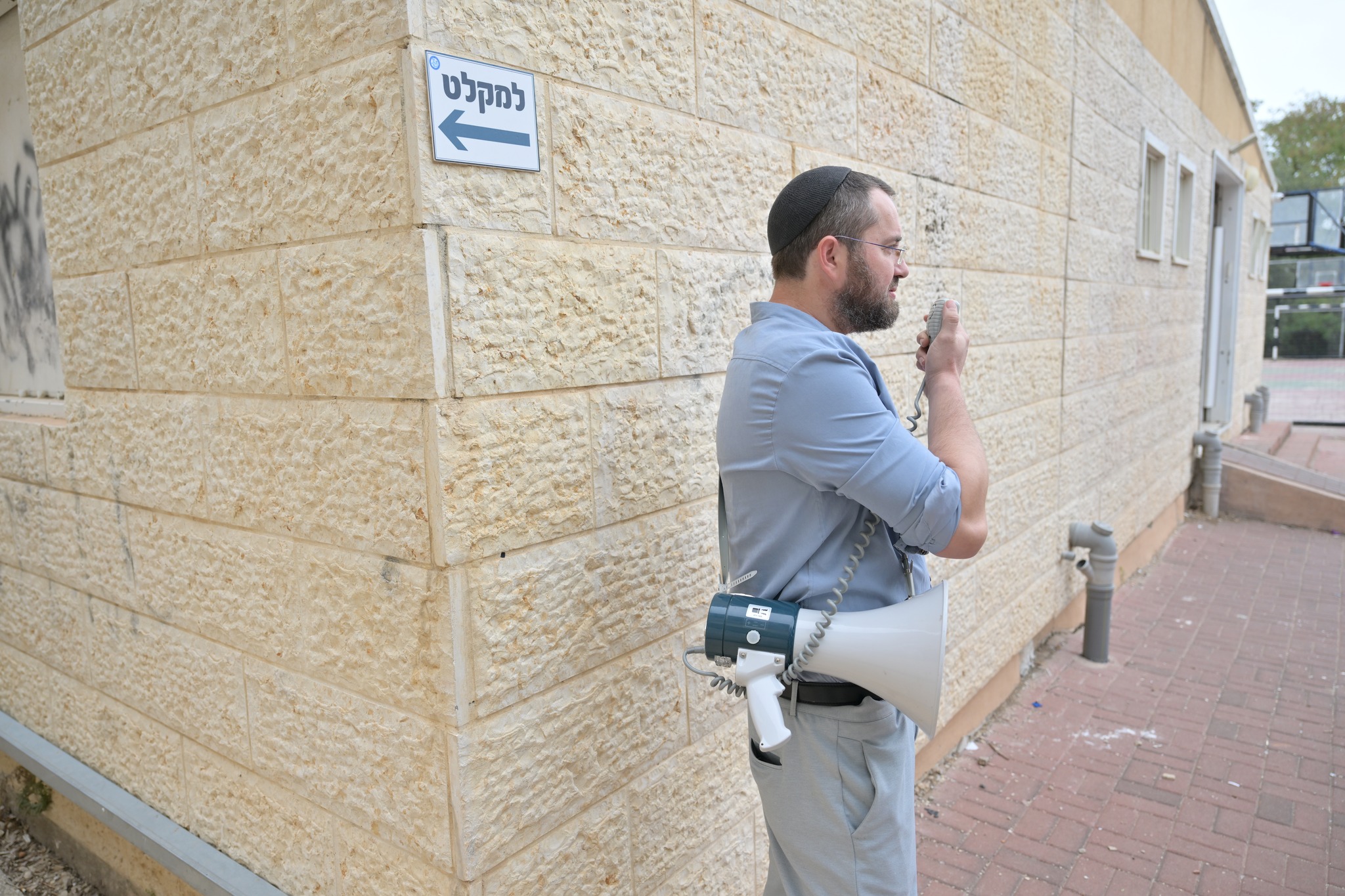
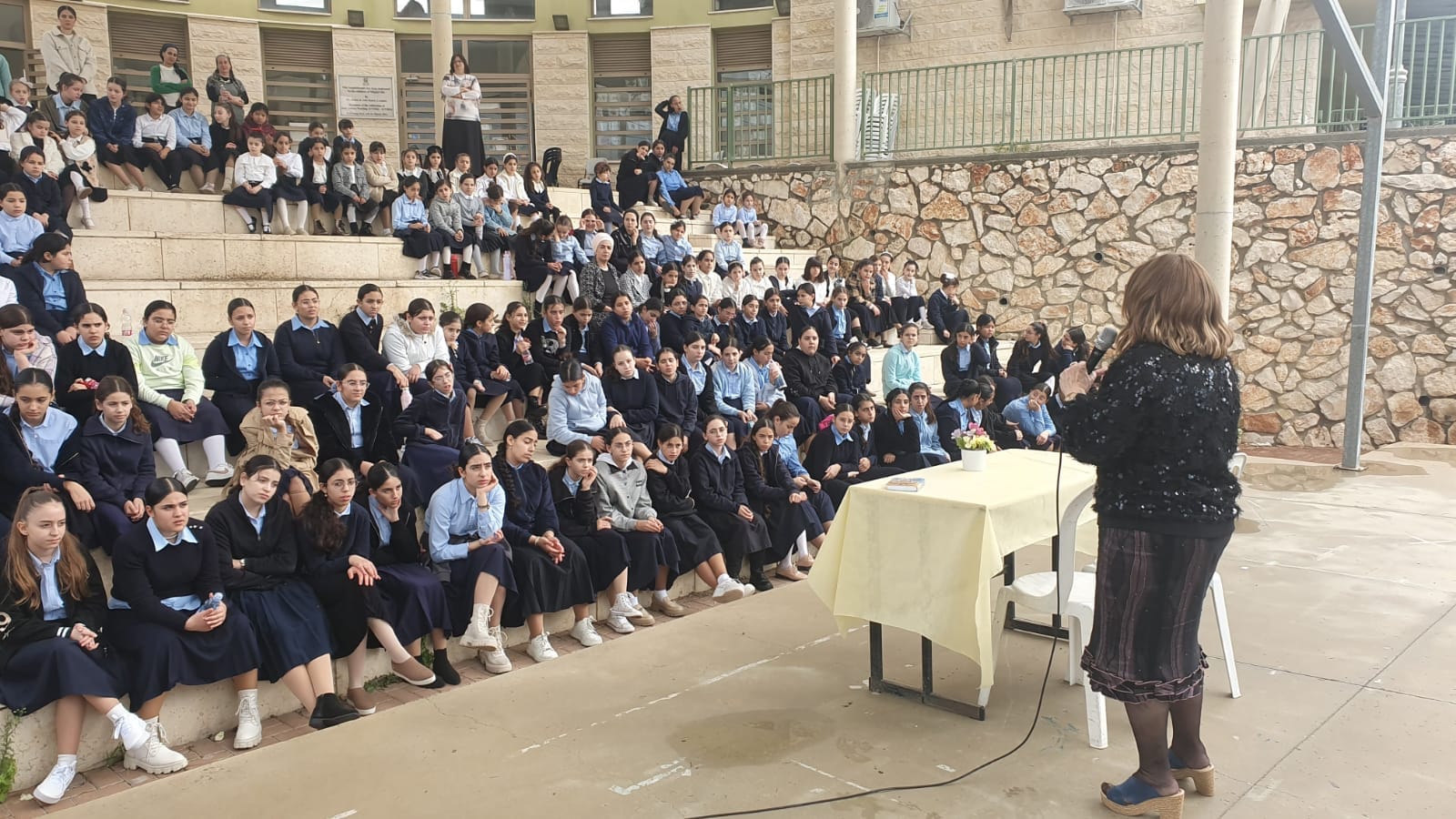
Practicing a New Reality: Children of the Migdal Ohr Organization’s educational institutions practice going down into the shelters, which has become routine during war time.

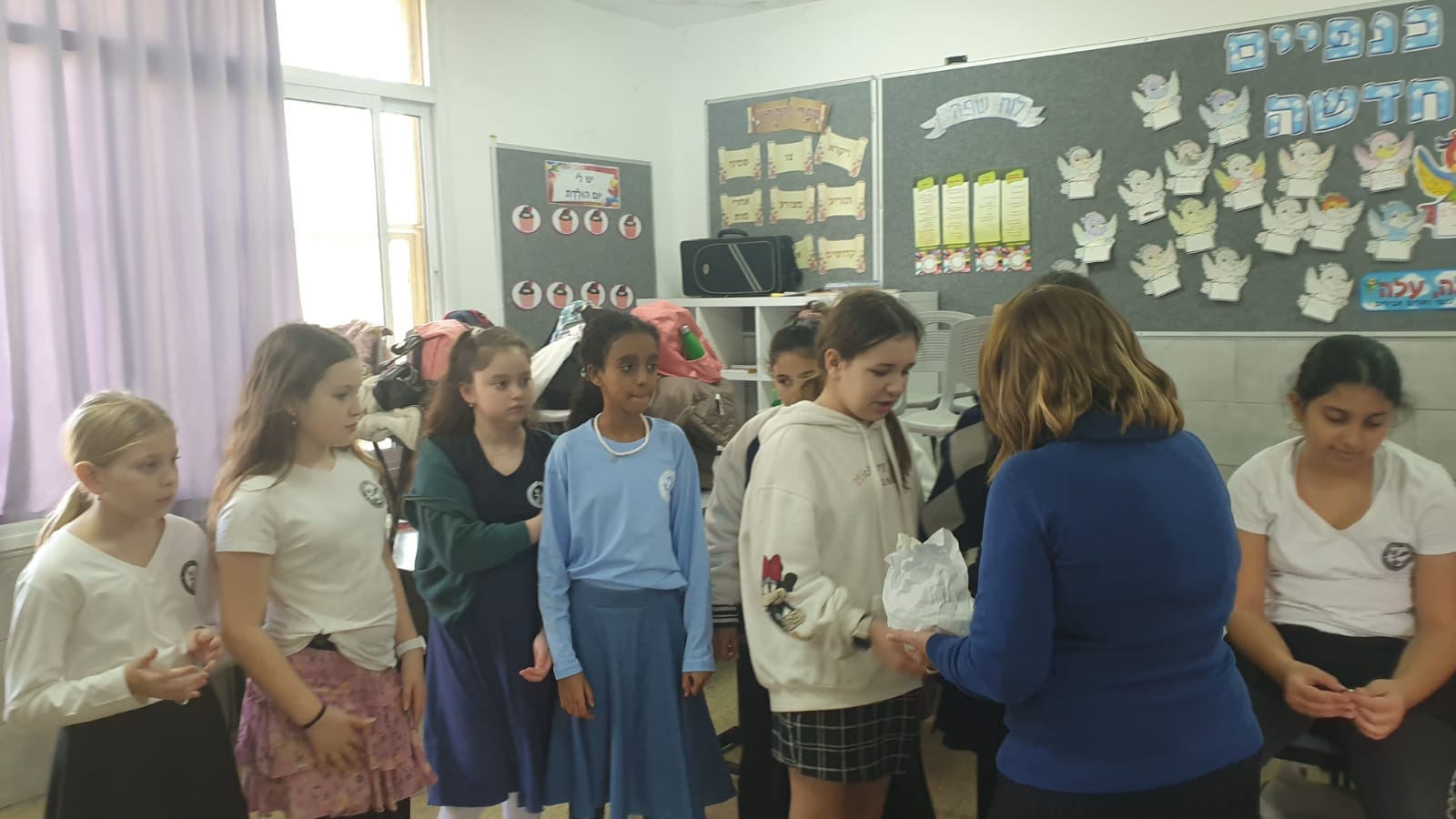
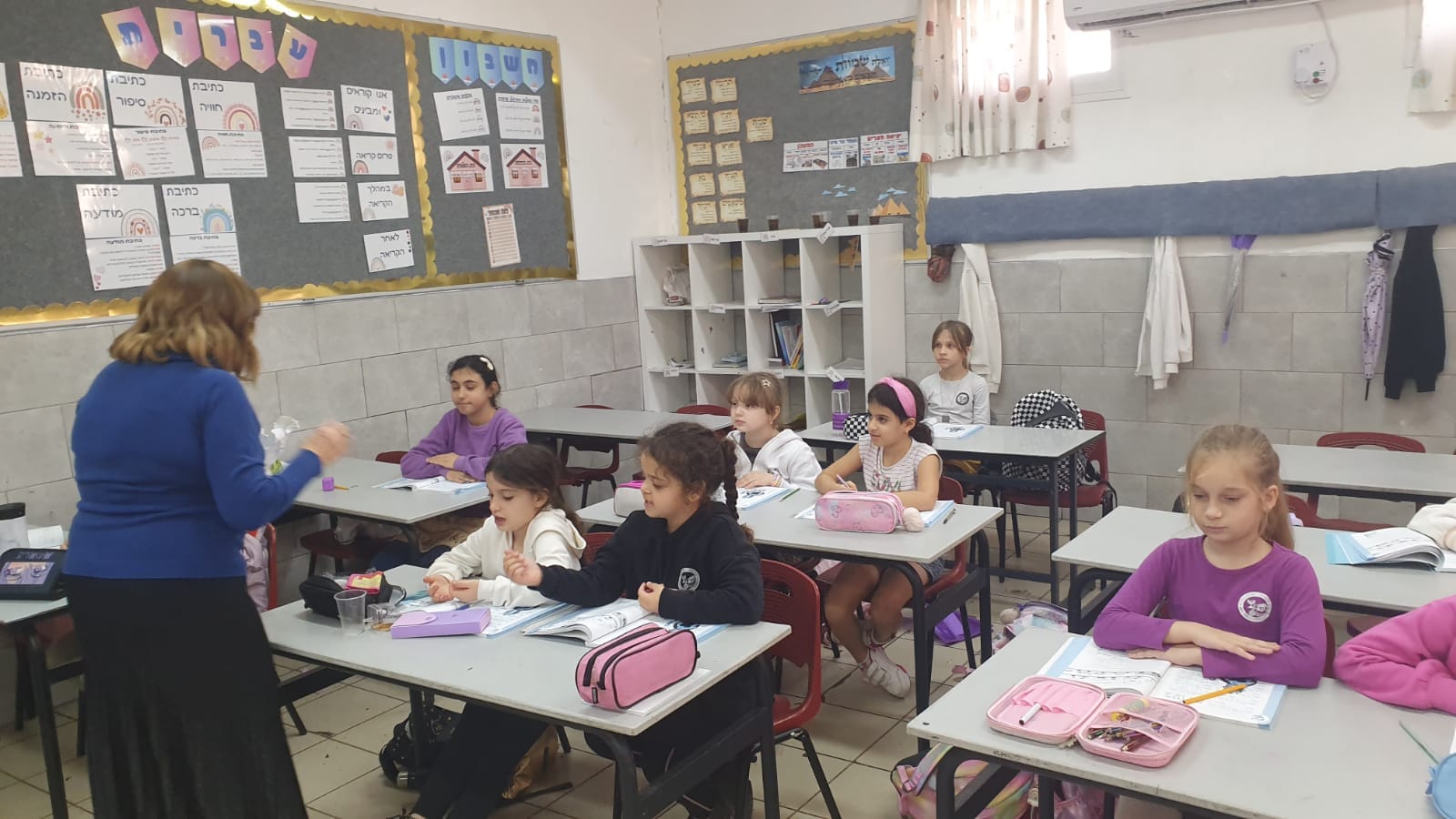
Children of the Migdal Ohr Educational Institutions practiced going down to the shelters, something that has become routine during war time.  The practice gives them the sense of physical safety and our educational staff provides a sense of emotional security as well.

Our children, at any age, understand the situation.  They pick up on things and are exposed and even see the pressure and anxiety felt by us – the ‘adults’.  At Migdal Ohr, we make sure to explain the situation to the children in a way that is appropriate for them.  We listen attentively to their inner feelings and validate them.

The educational staff embraces them with love and makes sure to pass on positive and hopeful feelings to them.

This is the opportunity to thank the hundreds of educational staff members of the Migdal Ohr institutions, who love and protect our children.

הרב מדליק נר שישי בכותל

Rabbi Grossman at the Candle Lighting Ceremony at the Western Wall on the Sixth Night of Chanuka: “At this holy site, we all pray that all of the hostages and captives return home safe and sound”

This evening (Tues.), the Candle Lighting Ceremony on the Sixth Nigh of Chanuka was held at the Western Wall, attended by the Chief Rabbi of Migdal HaEmek and President of the Migdal Ohr institutions, Israel Prize Recipient Rabbi Yitzchak David Grossman; together with the Rabbi of the Western Wall and Holy Sites, Rabbi Rabinovitz; Finance Minister, Betzalel Smotrich; Director General of the Claims Conference, Solly Eliav; Commander of the Department for Handling Fallen Soldiers, Colonel Rabbi Eyal Mordoch; Military Rabbinate Colonel Rabbi Shmuel Almaliach; Battalion Commander, Lieutenant Colonel, Kobi Bleich; families and the public at large.

Also participating were 70 soldiers of the Black Battalion from the Shura Camp and 200 of their family members.  The battalion is responsible for organizing the farewell encounter of the families with their loved ones – the IDF fallen soldiers, may God avenge their blood.  They are also responsible for all of the funerals and memorial ceremonies for the fallen soldiers of the IDF and the defense system and the volunteers who supported the families during the difficult moments since the Saturday of Simchat Torah.

Rabbi Yitzchak David Grossman said:  “We are currently standing in the holiest site for the Jewish People, where the Chanuka miracle took place.  Here is where they lit the candles in the courtyard of the holy site, a place where the Divine light was revealed to the Jewish People.  This is the time, in this holy place at this  holy time, for all of us to pray that all the hostages and captives return home safe and sound.  We pray for a full recovery for the wounded and for the safety and success of all those soldiers who are fighting for our country.

Amen and Amen!
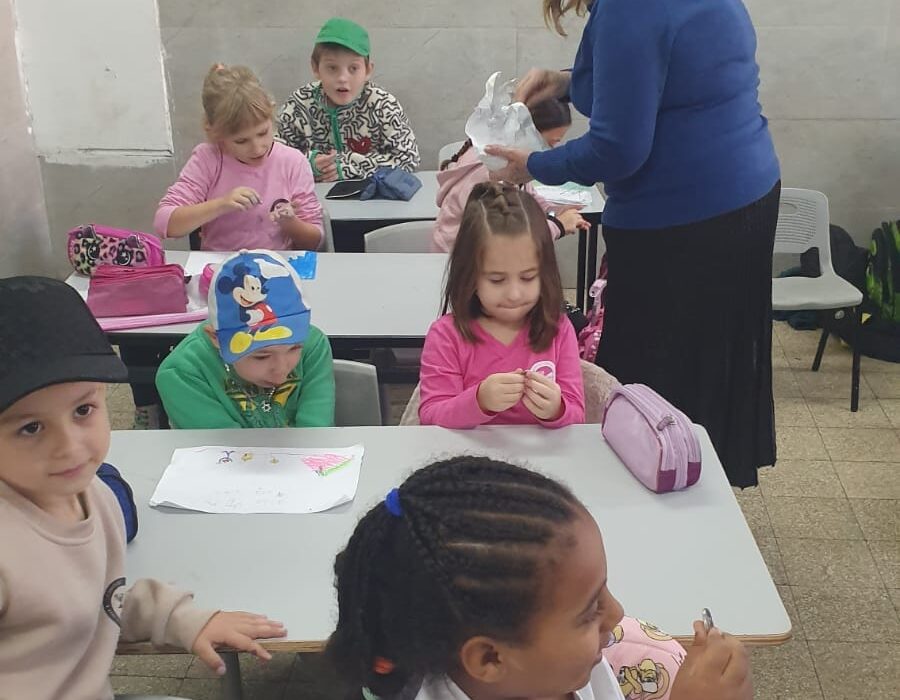
הרבנית גרוסמן מחלקת דמי חנוכה

Rebbetzin Esther Grossman handed out Chanuka gelt to thousands of Migdal Ohr pupils in honor of the holiday

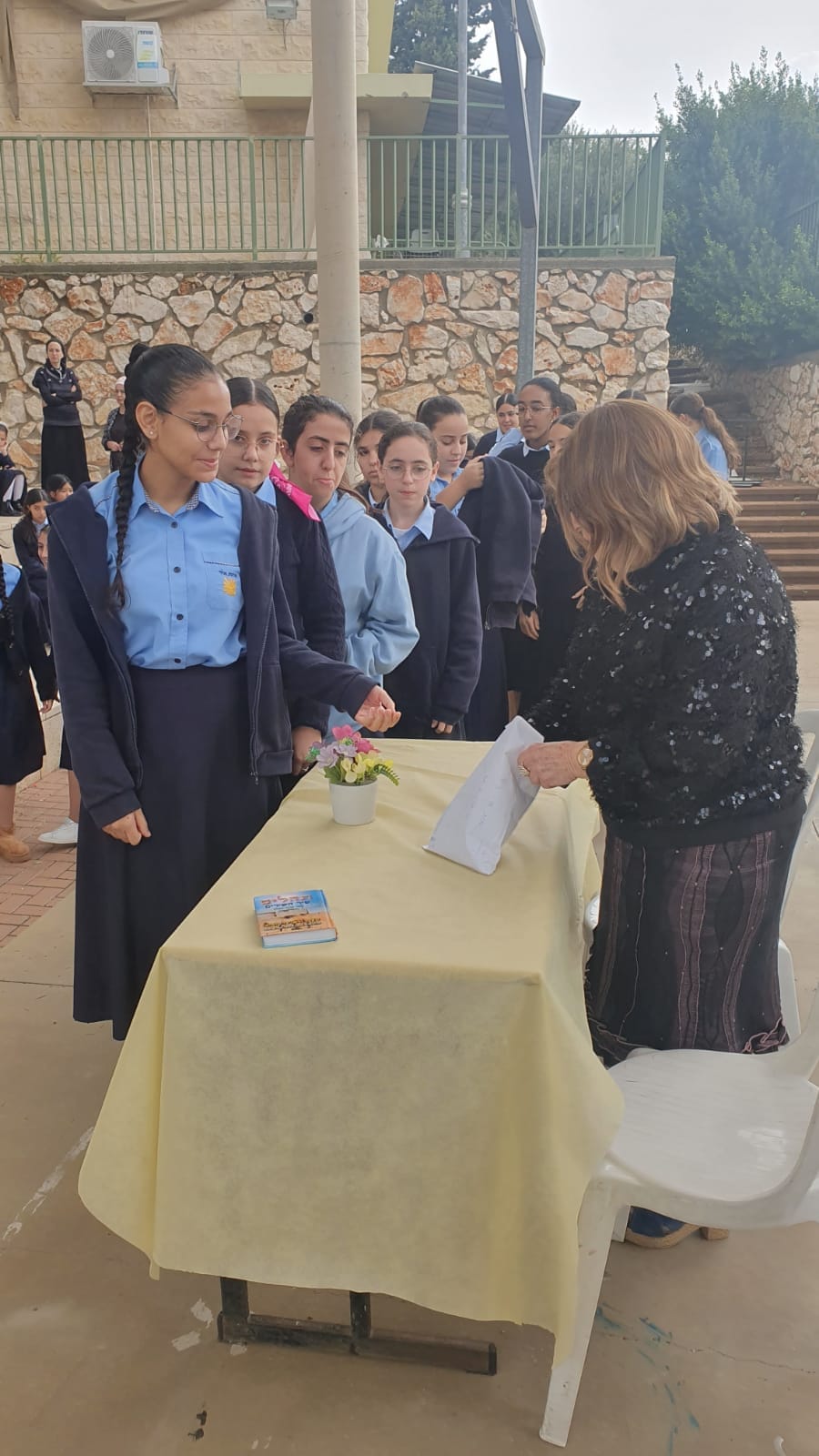
Tradition is tradition. Currently, between the sadness and happiness, anxiety and faith, it is important to give our children a sense of stability and to bring them some happiness.  The Chanuka spirit is a wonderful opportunity to do so. Like every year, and especially now, Rebbetzin Esther Grossman lights up the holiday for the thousands of children educated at the Migdal Ohr educational institutions and she hands out Chanuka gelt to each and every one of them.
מכונות הכביסה

Dozens of washing machines were purchased for the benefit of the residents evacuated from the southern settlements by the Migdal Ohr Organization

Currently, the residents of the Gaza Envelope, who were evacuated from their home, are lacking basic necessities that are usually taken for granted, such as the possibility of washing their clothes.  Migdal Ohr, founded by Rabbi Yitzchak David Grossman enlisted to set up laundries in the settlements of the Central Arava, which lovingly welcomed 2,500 of the evacuees.

The settlements of the Arava are doing everything to enable the evacuees to return to their routine as much as possible, to connect with the local residents and feel part of the community. Their representatives contacted us for help in setting up laundries.  We immediately purchased washing machines and dryers with the generous assistance of Migdal Ohr’s donors and partners.

Skip to content
This site is registered on wpml.org as a development site. Switch to a production site key to remove this banner.